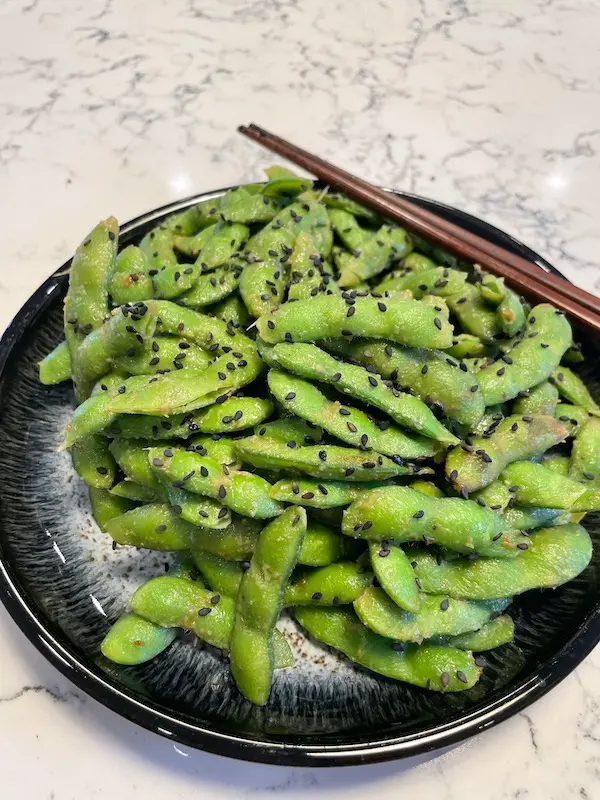

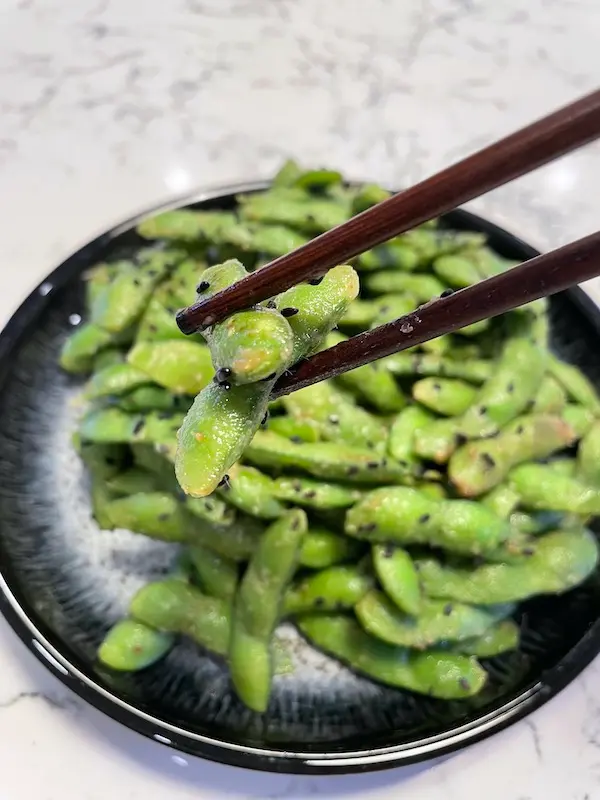
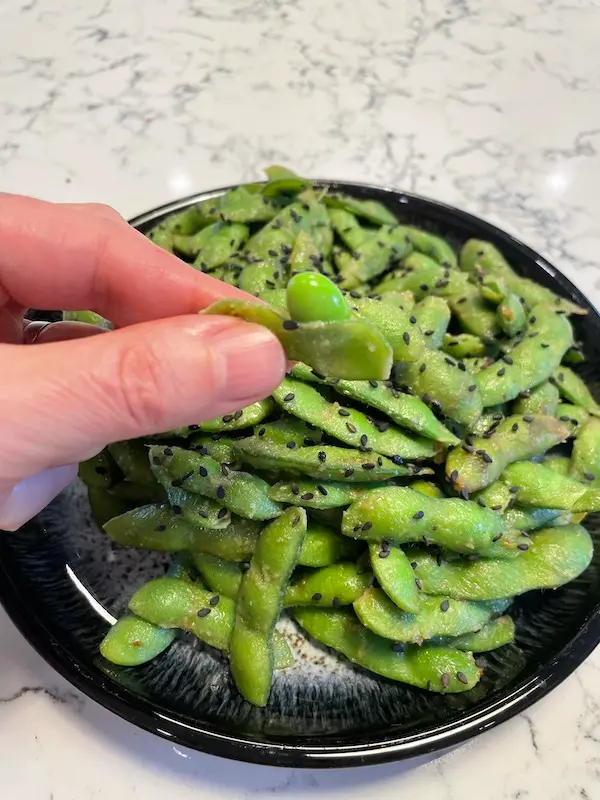
Move over, plain salted edamame! If you’ve been looking for a snack that feels a little bit “gourmet” but takes less than five minutes to throw together, you’ve found it. These are finger-licking good—literally.
The glaze creates a sticky, umami-rich coating that strikes the perfect balance of salty and sweet. Whether you’re looking for a high-protein afternoon pick-me-up, a side for your favorite stir-fry, or a crowd-pleasing game-day appetizer, these hit the mark every single time.
Jump Straight To
The Metabolic Impact of Edamame
The Fermentation Advantage of Miso
Why You’ll Love This Recipe
This is a umami bomb! Miso and sesame oil create a depth of flavor that basic salt just can’t touch. Guaranteed a protein powerhouse, a single cup of edamame packs about 18g of protein and 8g of fiber, making it a snack that actually keeps you full. It is gut-friendly, miso is a fermented wonder, meaning it’s loaded with probiotics to support your digestive health. And the last but not least it is fast & fresh, from freezer to table in under 6 minutes.
The Metabolic Impact of Edamame
Edamame is a rare plant-based source of complete protein, meaning it contains all nine essential amino acids. With 18g of protein and 8g of fiber per cup, edamame is highly effective at triggering the release of satiety hormones like GLP-1 and PYY. These signals tell your brain you’re full, helping to regulate appetite and prevent blood sugar spikes. Because the fiber in edamame is bound within the whole bean, it slows the absorption of carbohydrates. This results in a low glycemic response, making it an excellent snack for sustained energy without the “crash.” Edamame is an excellent source of Folate (B9), which is crucial for DNA repair, and Vitamin K, which supports bone density.
The Fermentation Advantage of Miso
Miso adds a layer of “living” nutrition to the dish through the fermentation of soybeans with koji (the mold Aspergillus oryzae). As a fermented food, miso contributes beneficial bacteria to the gut microbiome. A healthy microbiome is increasingly linked to improved immune function and even better metabolic signalling.The fermentation process helps neutralize antinutrients (such as phytates), significantly increasing the bioavailability of minerals like zinc, manganese, and copper — much easier for your body to absorb. Miso contains protective compounds like phenolic acids and isoflavones. These antioxidants help neutralize free radicals and may reduce systemic inflammation.
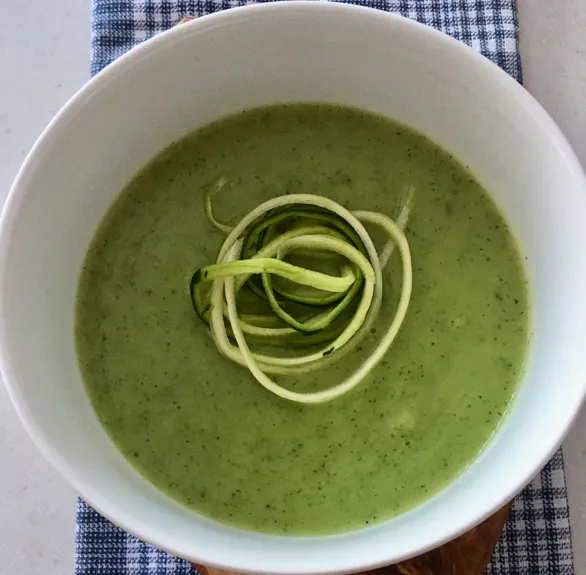
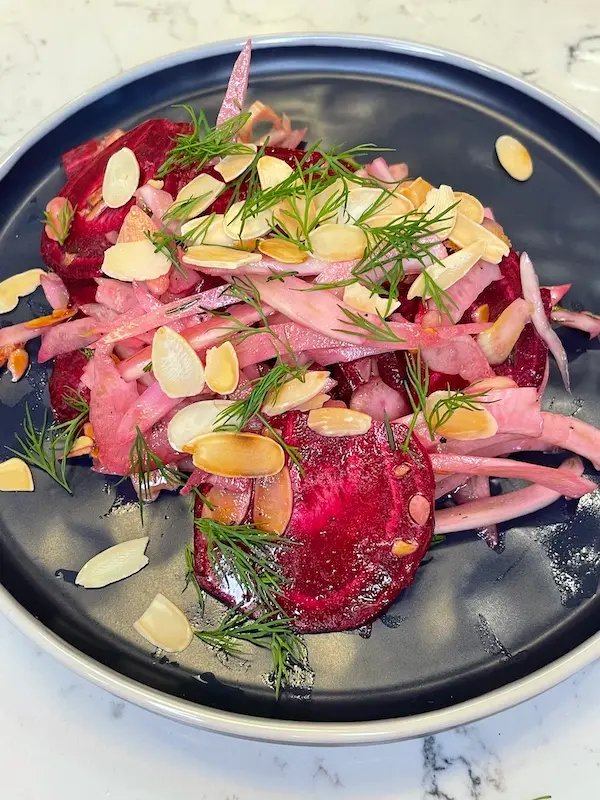
Another yummy finger food worth a try, Spinach Polenta.
Recipe
Prep: 3 mins | Cook: 3 mins | Total: 6 mins
Ingredients
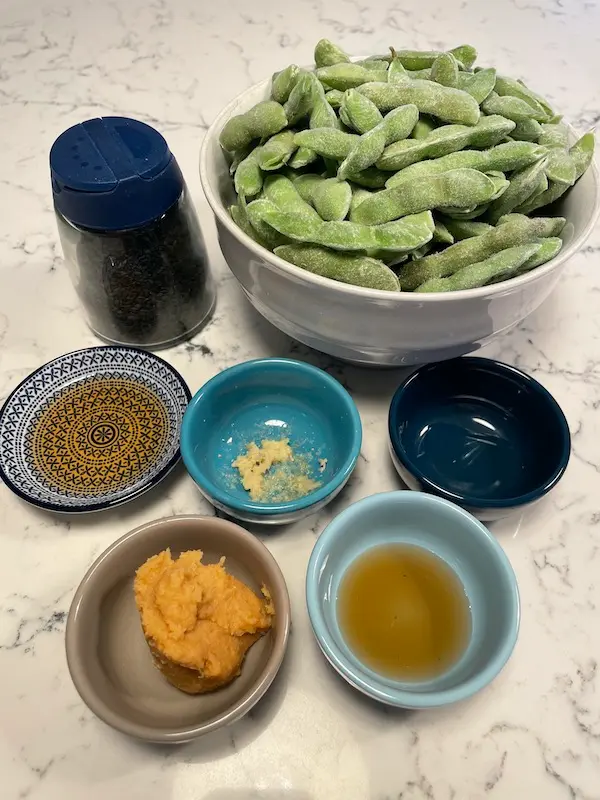
1 bag (500g/16oz) of frozen edamame (in-shell)
1 tbsp of white miso
2 tsp of maple syrup
1 tsp of sesame oil
1/2 tsp of grated ginger
1 tsp of rice vinegar
Sesame seeds
Prep
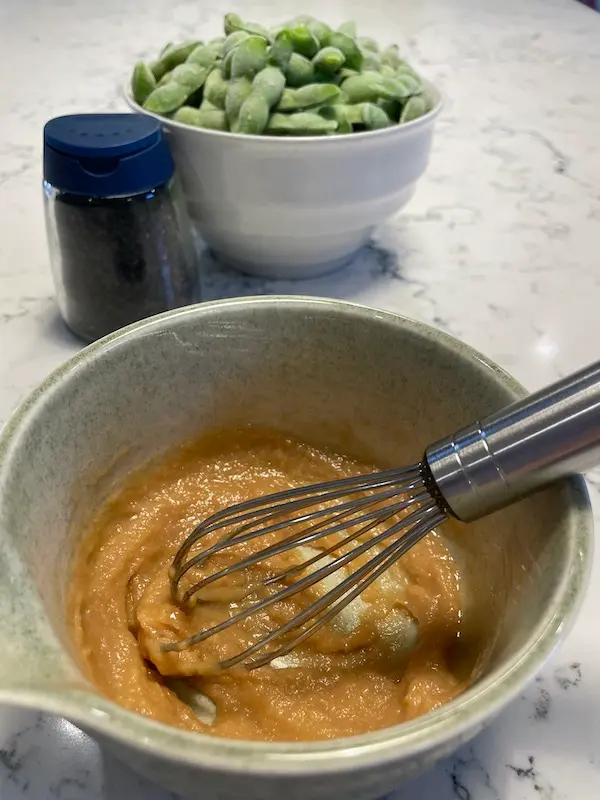
Whisk the miso, maple syrup, sesame oil, ginger, and vinegar in a medium bowl until completely smooth.
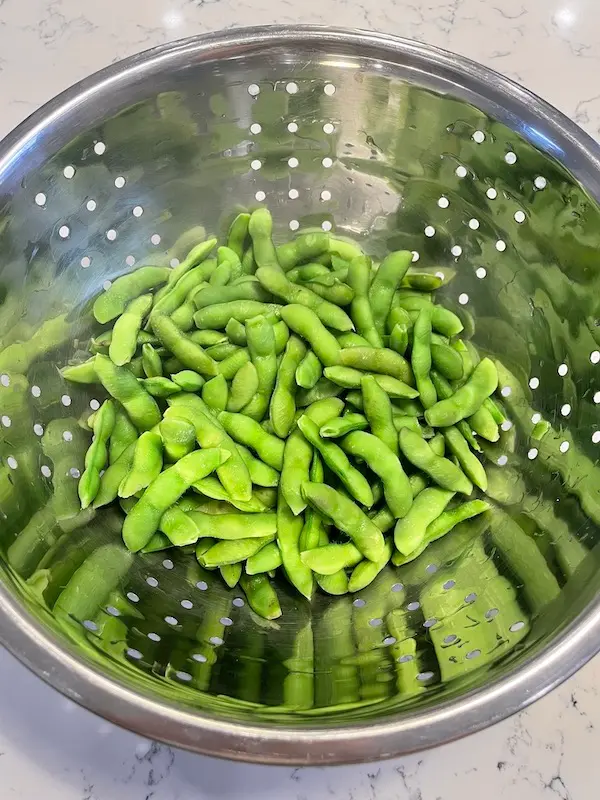
Drop your frozen edamame into a pot of boiling water for just 2 minutes. We aren’t looking to overcook them; we just want to defrost them and soften the pods slightly.
The most important step! Drain the edamame and pat them thoroughly dry with a clean kitchen towel or paper towels. If the pods are wet, the glaze will slide right off.
The “Flash Sauté”: Heat a pan over medium-high heat and pour in the miso mixture. The moment it starts to bubble, toss in the edamame. Sauté for only 30–60 seconds—just enough to create a sticky glaze without killing the beneficial live probiotics in the miso.
Transfer to a bowl, sprinkle generously with sesame seeds, and serve while they’re hot!
Pro Tip: Make sure to have a small “discard bowl” on the table for the empty shells—these pile up quickly!